

Understanding Common ENT Problems in Singapore: From Earaches to Sleep Apnoea (2026 Guide)

Key Takeaways
- ENT problems such as ear pain, sinus infections, throat infections, vertigo, and sleep apnoea are common in Singapore.
- Many conditions are mild and self-limiting. However, persistent, recurrent, or worsening symptoms may benefit from further evaluation.
- Early assessment helps identify the underlying cause and guide appropriate management.
- A consultation with an ENT specialist would commonly involve discussion of the patient’s detailed medical history, physical examination of the ears, nose or throat, or if necessary, nasal endoscopy, hearing tests, or imaging studies.
Ear, nose and throat (ENT) conditions are among the most common reasons people seek medical attention in Singapore. From recurring sore throats and blocked noses to dizziness and loud snoring, these symptoms can range from mild and self-limiting to persistent issues that affect sleep, work, and overall quality of life.
If you are considering whether to consult an ENT specialist Singapore, this article aims to help you better understand your symptoms and options.
What Does an ENT Specialist Treat?
- Ears – hearing, ear infections, ear pain, balance disorders
- Nose and sinuses – sinus infections, nasal blockage, allergies
- Throat – sore throat, tonsil infections, swallowing issues
- Sleep-related breathing – snoring and obstructive sleep apnoea
Because these structures are closely connected, symptoms often overlap. For example, sinus problems may cause throat irritation due to postnasal drip, and throat infections can sometimes cause referred ear pain.
While many ENT symptoms resolve on their own, persistent, recurrent, or worsening symptoms may benefit from further evaluation.
Ear Pain: Causes and When It May Need Medical Attention
Ear pain can affect both children and adults. It may be sharp and sudden or dull and persistent.
Common causes include:
- Outer or middle ear infections
- Earwax blockage
- Eustachian tube dysfunction (pressure imbalance)
- Referred pain from the throat or jaw
In some cases, ear pain is not caused by the ear itself. Conditions affecting the tonsils, throat, or even dental structures can lead to discomfort felt in the ear.
Warning signs that warrant further assessment may include::
- Hearing loss
- Ear discharge
- Severe or persistent pain
Throat Infections and Persistent Sore Throat
- Pain when swallowing
- Fever
- Swollen glands
- Red or inflamed tonsils

Most throat infections are self-limiting, but persistent symptoms beyond 2–3 weeks, difficulty swallowing, or repeated infections may require further evaluation.
Tonsil Infections
Tonsil infections may cause:
- Fever
- Painful swallowing
- Bad breath
- Enlarged tonsils
- Recurrent throat infections
In individuals with frequent, severe, or recurrent tonsillitis, surgical removal of the tonsils may be considered after careful clinical evaluation. The decision depends on infection frequency, severity, and overall health.
Learn more about tonsil infection here.

Sinus Infections and Chronic Nasal Congestion
Singapore’s humid climate and environmental allergens can contribute to nasal and sinus issues.
Sinus infections (sinusitis) occur when the sinus cavities become inflamed and blocked. Symptoms may include:
- Facial pressure or pain
- Nasal blockage
- Thick nasal discharge
- Reduced sense of smell
- Postnasal drip

Acute sinusitis often develops after a viral upper respiratory infection. Chronic sinusitis, on the other hand, may persist for more than 12 weeks and can be associated with allergies, nasal polyps, or structural issues.
Recurring sinus infections or persistent nasal congestion may benefit from further assessment to determine underlying causes.
Get a more comprehensive overview of sinus infections here.

Vertigo and Balance Disorders
Dizziness is a broad term, but vertigo specifically refers to a spinning sensation. Many cases of vertigo are related to the inner ear, which plays a key role in maintaining balance.
Common ENT-related causes of vertigo include:
- Benign paroxysmal positional vertigo (BPPV)
- Inner ear infections
- Vestibular neuritis
Symptoms may include:
- Spinning sensation
- Nausea
- Unsteadiness
- Difficulty walking
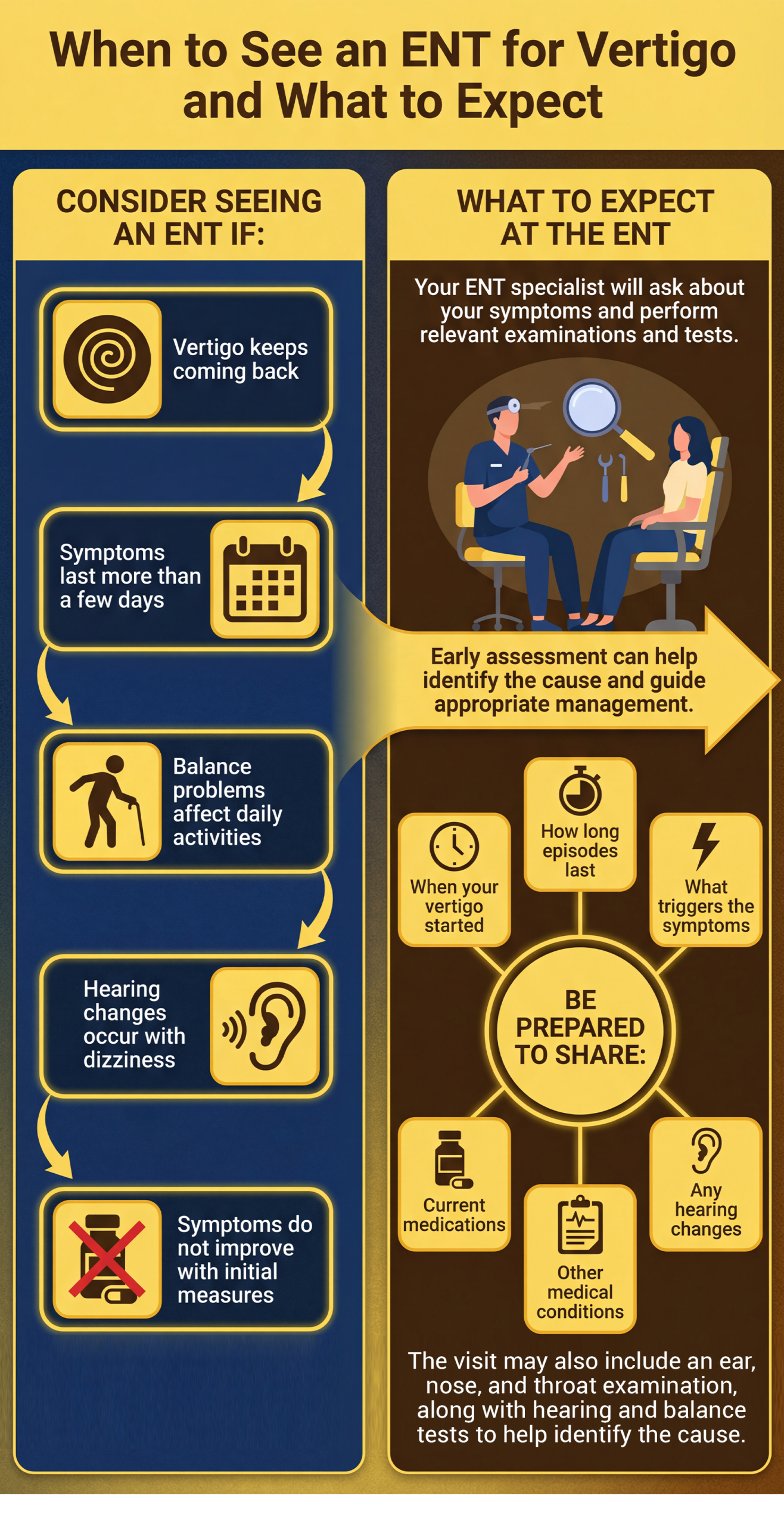
While many causes of vertigo are not life-threatening, sudden severe dizziness accompanied by neurological symptoms (such as weakness, speech difficulty, or severe headache) requires urgent medical attention.
Read more about vertigo and balance issues in Singapore here.
Loud Snoring and Sleep Apnoea
- Loud snoring
- Choking or gasping during sleep
- Morning headaches
- Daytime fatigue
- Poor concentration
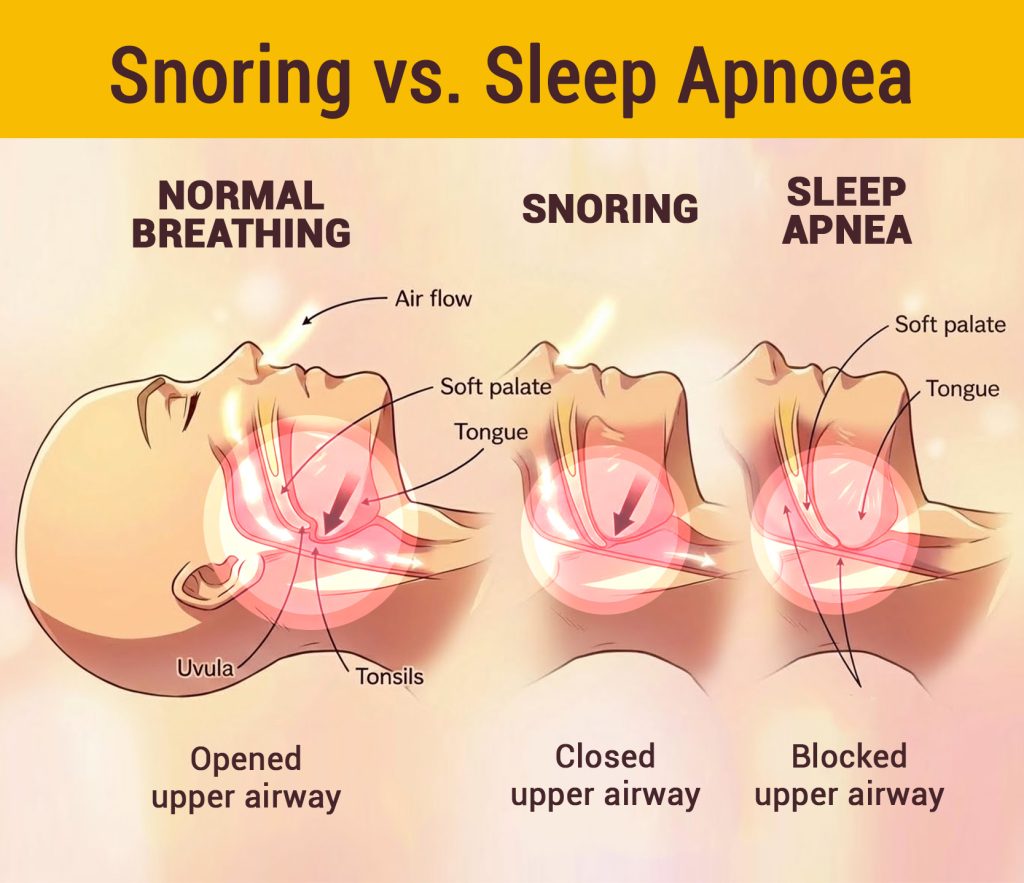
Untreated sleep apnoea has been associated with increased risk of cardiovascular disease, hypertension, and metabolic disorders.
Evaluation may include a sleep study to assess breathing patterns during sleep. Treatment options depend on severity and underlying anatomical factors.
Get more information about snoring and sleep apnoea here.

When Should You See an ENT Specialist?
While many ENT conditions are mild and temporary, further evaluation may be appropriate if you experience:
- Symptoms lasting longer than 2–3 weeks
- Recurrent infections
- Hearing changes
- Persistent nasal blockage
- Snoring with excessive daytime sleepiness
- Ongoing balance disturbances
Early assessment can help clarify the cause of symptoms and guide appropriate management.
“Many ENT symptoms overlap and may seem minor at first. A careful evaluation helps distinguish between self-limiting conditions and those that require more structured treatment,” Dr Dennis Chua says.
How ENT Conditions Are Evaluated
An ENT evaluation may involve:
- A detailed medical history
- Physical examination of the ears, nose and throat
- Nasal endoscopy (if needed)
- Hearing tests
- Imaging studies when clinically indicated
The choice of investigation depends on the nature and duration of symptoms.
Frequently Asked Questions
1. Are most ENT infections viral or bacterial?
2. Can sinus infections resolve without antibiotics?
Yes. Many cases of acute sinusitis improve with supportive care. Antibiotics may be considered if symptoms persist or worsen.
3. Is loud snoring always sleep apnoea?
No. However, snoring with breathing pauses or daytime fatigue should be assessed.
4. When does a sore throat need further investigation?
If it lasts more than 2–3 weeks, recurs frequently, or is associated with difficulty swallowing or weight loss.
5. Can vertigo be related to the ear?
Yes. The inner ear plays a central role in balance, and many vertigo cases originate there.
When Further Evaluation May Be Helpful
ENT symptoms such as ear pain, sinus congestion, recurrent throat infections, vertigo, and loud snoring are common in Singapore. While many of these conditions are mild and resolve on their own, persistent or recurring symptoms may indicate an underlying issue that requires proper assessment.
A consultation with an ENT specialist allows for a structured evaluation of your symptoms, appropriate investigations where necessary, and a discussion of suitable management options based on your individual condition.
If you are experiencing ongoing ear, nose, throat, balance, or sleep-related concerns, you may consider arranging a consultation with Dr Dennis Chua for a comprehensive clinical assessment.
Early evaluation can help clarify the cause of symptoms and provide guidance on the next steps in care.
If you have questions or concerns about your ears, nose, and throat,
you may book a consultation with Dr Dennis Chua, an ENT specialist in Singapore.
He has completed his training in otorhinolaryngology locally and attained qualifications internationally.

About Dr Dennis Chua
Dr. Dennis Chua is an Ear, Nose and Throat (ENT) specialist with more than a decade of experience. He is held in high regard within the field of Otolaryngology, having published many articles in peer reviewed journals on the topic of ENT.
As an ENT Specialist in Singapore, Dr Dennis Chua is committed to providing thorough, patient-centred care for both adults and children. Whether you’re managing allergies, sinus problems, hearing issues, or throat concerns, we take time to understand your condition and guide you through your treatment options.
Explore More Topics

Nasendoscopy in Singapore: Cost, Procedure & What to Expect
Nasendoscopy in Singapore: What It Is, What to Expect, and Cost Nasendoscopy at a Glance…

Ear Wax Removal in Singapore: Methods, Cost, and When to See an ENT
Ear Wax Removal in Singapore: Methods, Cost, and When to See an ENT Learn about…

Tinnitus and Blocked Ears: Causes, Treatment, and When to See a Specialist
Tinnitus and Blocked Ears: Causes, Treatment, and When to See a Specialist Learn more about…